
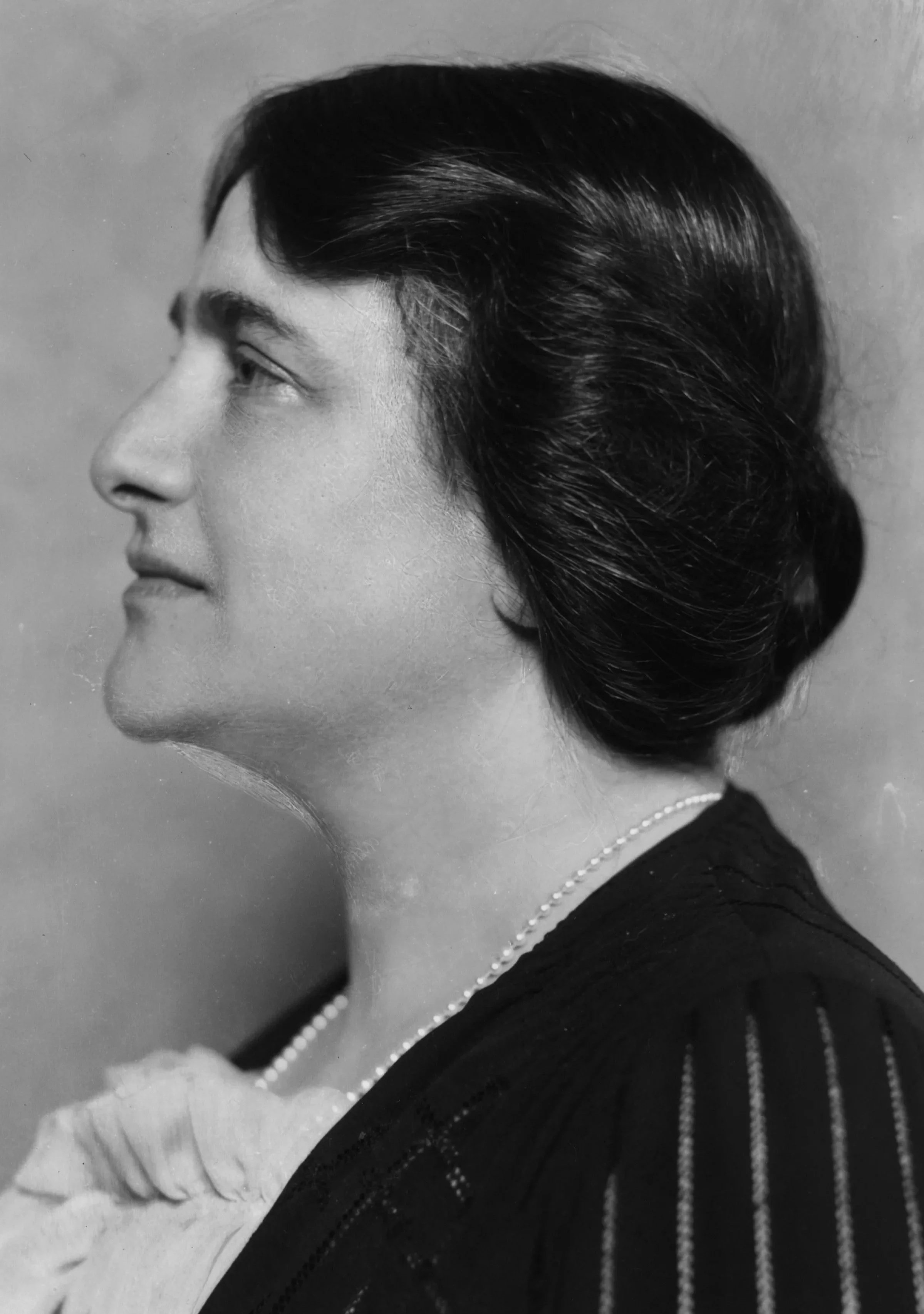
Dame Julia Myra Hess (1890–1965) was a legendary British pianist who became a symbol of national resilience during World War II. Born in London to a Jewish family, she studied at the Royal Academy of Music and quickly rose to international prominence, touring extensively across Britain, Europe, and the United States. She is best remembered for her extraordinary initiative during the Blitz, when she organised and performed in daily lunchtime concerts at the National Gallery while most other cultural venues were closed. From 1939 to 1946, she oversaw 1,698 concerts that provided a vital morale boost to over 800,000 Londoners, famously continuing performances even as bombs fell nearby.
Musically, Dame Myra was celebrated for her warm and thoughtful interpretations of Austro-German masters such as Bach, Mozart, Beethoven, and Schumann. Her most enduring contribution to the repertoire is her popular piano transcription of the chorale from Bach's Cantata 147, universally known as "Jesu, Joy of Man's Desiring." In recognition of her wartime service, she was appointed a Dame Commander of the Order of the British Empire (DBE) in 1941. After the war, she resumed her global career, collaborating with legendary figures such as Pablo Casals and Arturo Toscanini, and performing at major festivals.
Beyond her performance career, Myra Hess was a dedicated and influential teacher who passed on her refined approach to piano technique and interpretation to several generations of musicians. She was known for her ability to guide students toward a deeper understanding of musical structure, often mentoring emerging talents at the Royal Academy of Music and through private tuition. Her most famous protégé was Stephen Kovacevich, who credits her with shaping his artistic development.